
Reading the lobby
The Zupee lobby is a bottom-tab shell with three format tabs and two account tabs. From any tab you can pull up the practice rooms for free, the live tournaments for paid entry, and the private rooms for friends.
Each format tab shows a banner at the top — practice, live or private — followed by room cards with an entry-fee label and a playing-now count. The desk recommends starting in practice, always, before you put any money in.
Playing Ludo Supreme

Ludo Supreme is a two-dice, four-token race. Both players start with four tokens off the board; they enter on a six, then race to the home column.
- Roll both dice. The dice are fair; the result is computed on the server.
- Move any token that has a legal move. Cut an opponent by landing exactly on their square.
- If you roll a six, you get an extra turn. Three sixes in a row forfeit the turn.
- The first player to land all four tokens in the home column wins the round.
Playing Snakes & Ladders
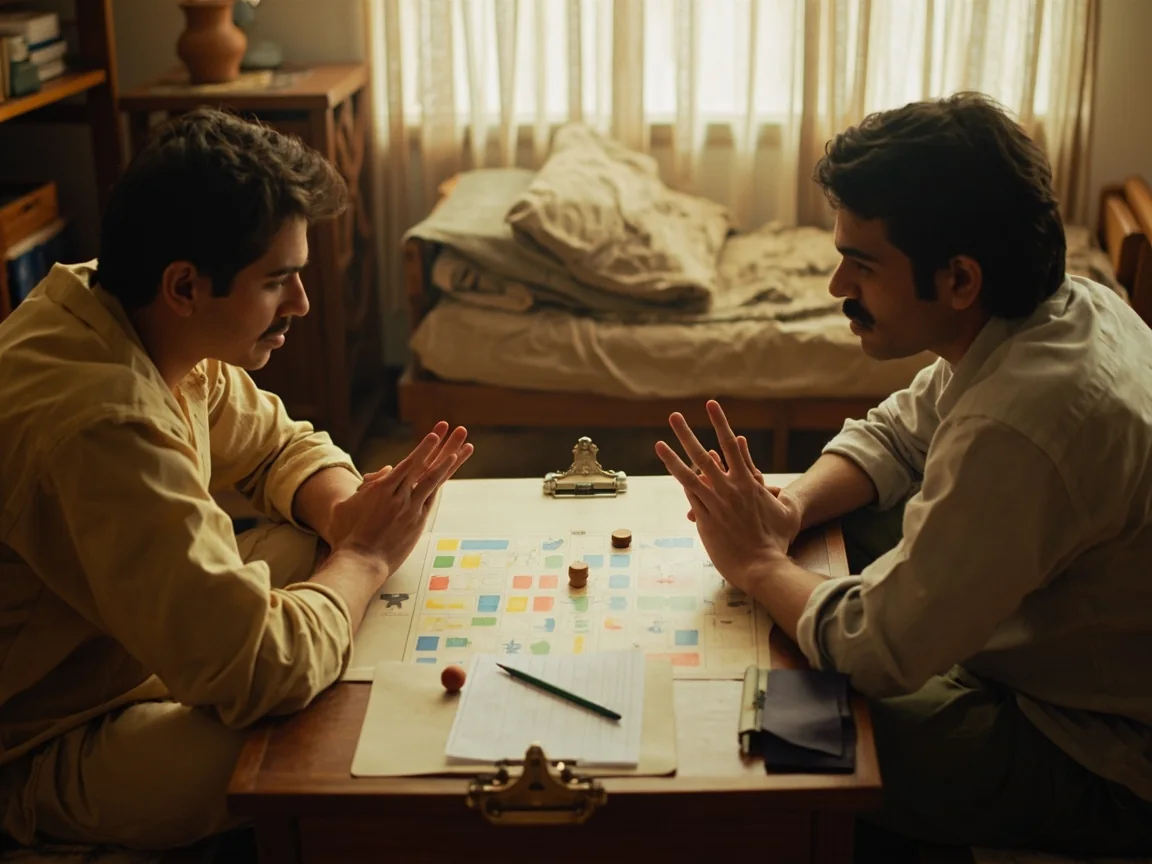
Snakes & Ladders on Zupee uses the classic 5×5 board map, with snakes sending you down and ladders lifting you up. Two to four players take turns rolling a single die.
- Roll the die. You must roll the exact number to land on the final square.
- Land on a ladder base — climb to the top.
- Land on a snake head — slide to the tail.
- First to land on the final square wins the round.
Playing Caribbean-style cards
Caribbean-style card rounds use a standard 52-card deck and 20-second turn timer. Players bet into a pool, draw cards and decide whether to stay, draw, or fold. Reading opponent playstyle matters more than the deck.
- Place a chip into the pool on your turn.
- Look at your cards. Decide whether to draw or stay.
- Reveal at the showdown. Highest hand wins the pool.
- The round settles within 30–60 seconds after the last reveal.
Round etiquette
None of these are formal rules, but they are the patterns the desk has seen across hundreds of rounds.
- Don’t quit mid-round. A mid-round quit forfeits the entry fee to the remaining player. The desk treats this as the worst breach of etiquette.
- Avoid rapid-fire messages. Player chat is on by default; spamming it can mute you for the rest of the round.
- Respect the timer. A 10-second turn timer in Ludo is genuinely tight. Plan ahead.
- Don’t bring a phone case that blocks your camera. Many rounds require a face confirmation if you’re flagged by the anti-cheat heuristic.
Frequently asked
How long does a Zupee round take?
Ludo Supreme: 6–10 minutes. Snakes & Ladders: 8–14 minutes. Caribbean-style cards: 12–20 minutes.
What happens if I lose internet mid-round?
The server waits 30 seconds for a reconnection. If you don’t return, the round continues without you and your turn is auto-played from a default move.
Can I play the same opponent twice?
Yes. Private rooms are unlimited rematches. Live tournaments can match you with the same opponent again if the bracket sizes are small.